
For buyers
Buying a Toronto home with the numbers in front of you
Where you buy decides your commute, your costs and your resale for years. We spend most of our effort on that choice and the rest on making sure the home itself holds no surprises.
The process
How a purchase runs, step by step
Buyers get into trouble when they skip ahead: touring homes before the budget includes the taxes or writing an offer before knowing whether anyone else is bidding.
- Step 01
Set the budget from the payment
A lender tells you the most it will lend. We start from the monthly cost you are happy to carry, then add both Toronto land transfer taxes, legal fees and a cushion for the first repairs. Only then do we look at listings.
- Step 02
Choose two or three neighbourhoods
Toronto has hundreds of neighbourhoods and the subway line you live near shapes the whole week. We compare the ones that fit your commute and your budget, using TRREB figures for the property type you want.
- Step 03
Look until you can judge value
After a handful of viewings in the same area and price range, most buyers can tell a fair price from a stretch. That is the point to stop touring and start deciding.
- Step 04
Look past the listing photos
Knob and tube wiring and old plumbing in pre-war houses, the age of the roof and furnace, a basement that takes water or a condo reserve fund that is running low. We check what we can before you commit and tell you what to have inspected.
- Step 05
Offer to suit the market you are in
A condo with no other offers and a semi with an offer date are negotiated very differently. We tell you which situation you are in, which conditions are realistic and where our advice is to walk away.
- Step 06
Close without last minute surprises
We stay in touch with your lawyer and lender, keep track of every condition and arrange a final visit so you can confirm the home is as agreed before closing.
What you can expect
What we promise every buyer
Say so when a home is wrong for you
Even if it means no deal that week. Talking someone into the wrong home is the fastest way to lose a client for good.
Be clear about what we know
Our guides cover twelve Toronto neighbourhoods with sourced figures. Outside the markets we work in, we refer you rather than guess.
Write the numbers down
Your budget, your closing costs and the comparable sales behind any offer price, on paper, so nothing important depends on memory.
Start here
Which neighbourhood?
Twelve guides with TRREB prices by property type, housing stock, subway stations and parks. Reading the two or three you are drawn to before we talk makes the first meeting far more useful.
-
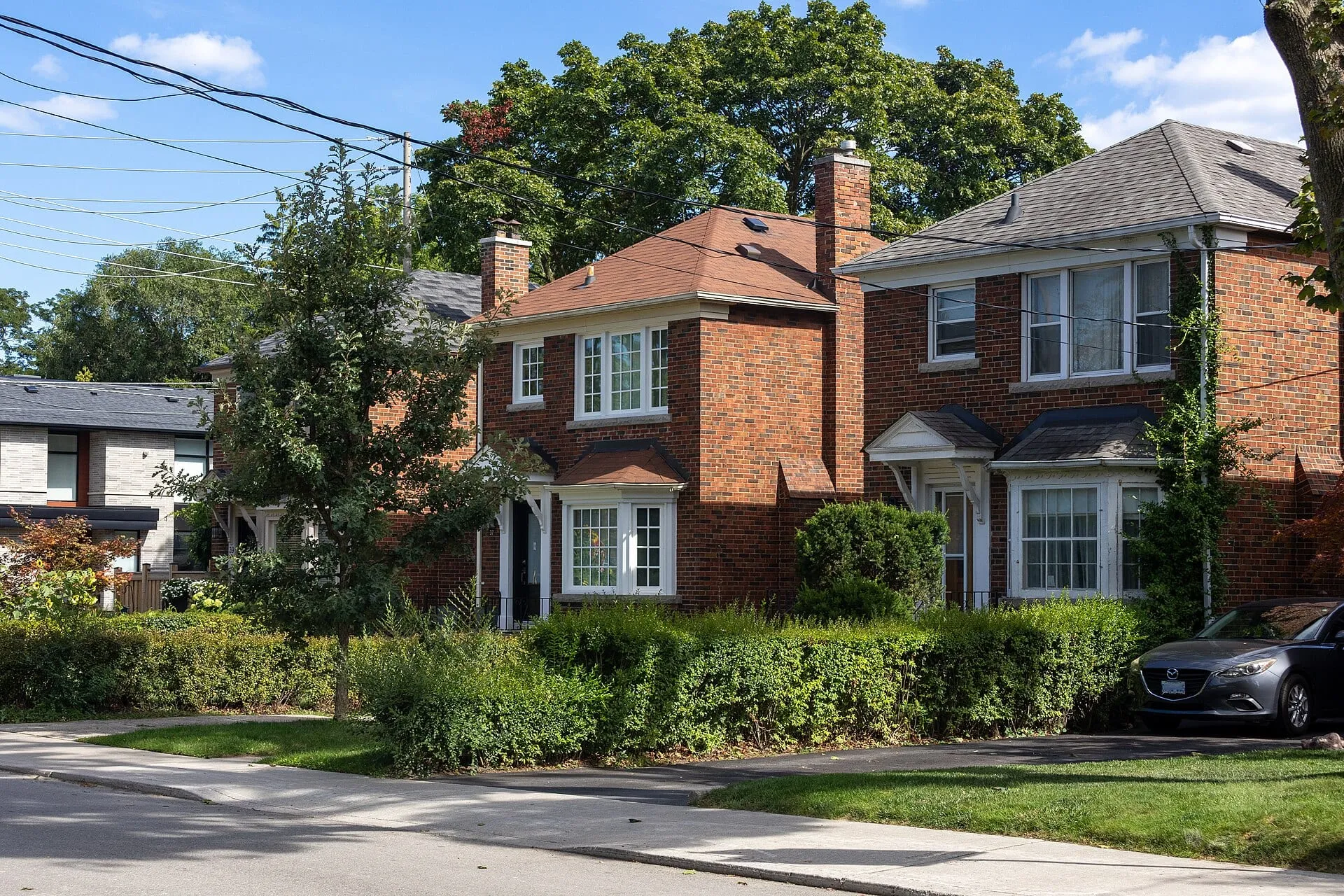 N° 01
N° 01 Leaside
Detached houses on residential streets, with Line 5 stations along Eglinton. Explore Leaside -
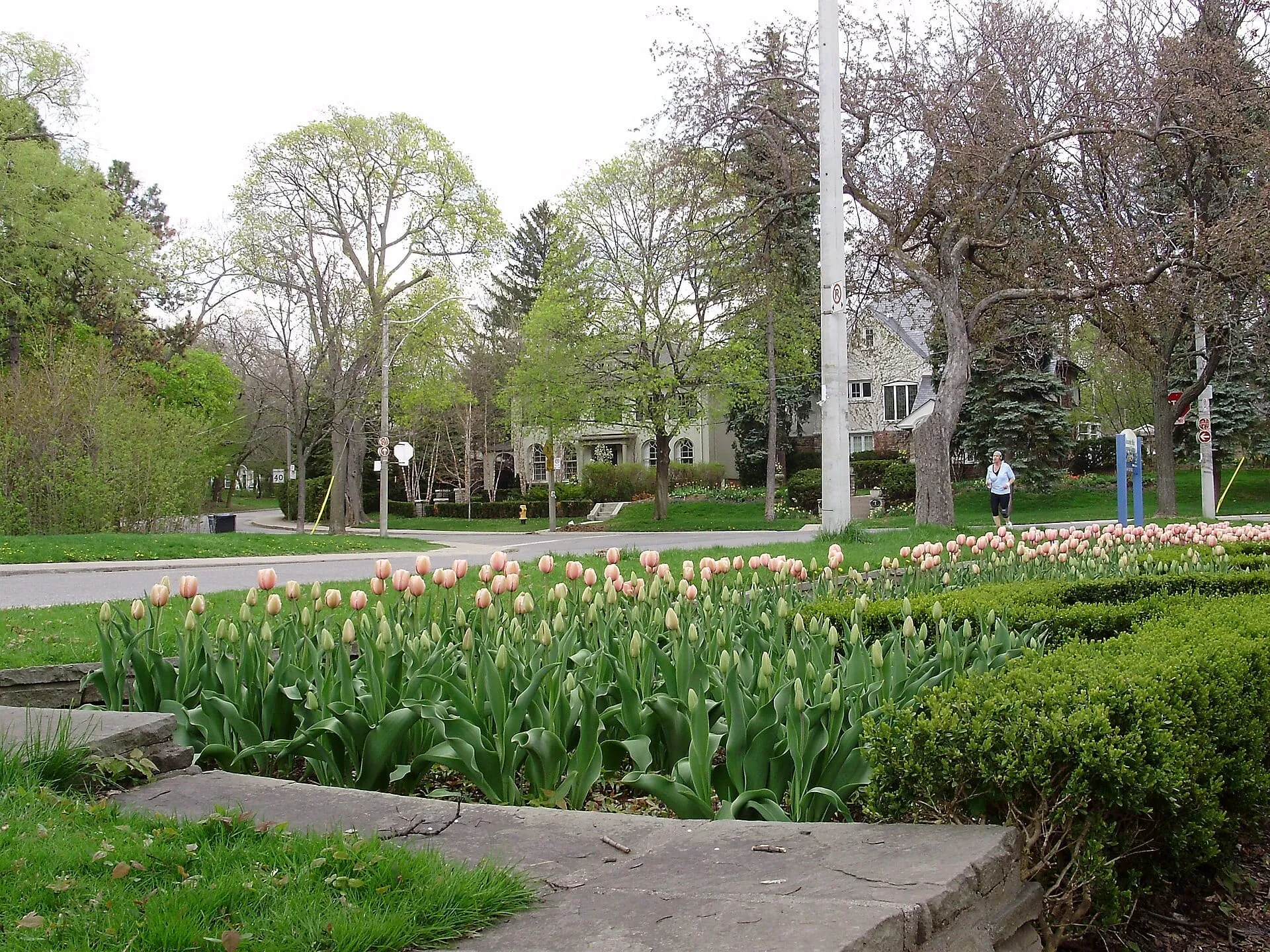 N° 02
N° 02 Lawrence Park
Detached houses and ravine parks, with Line 1 at Lawrence station. Explore Lawrence Park -
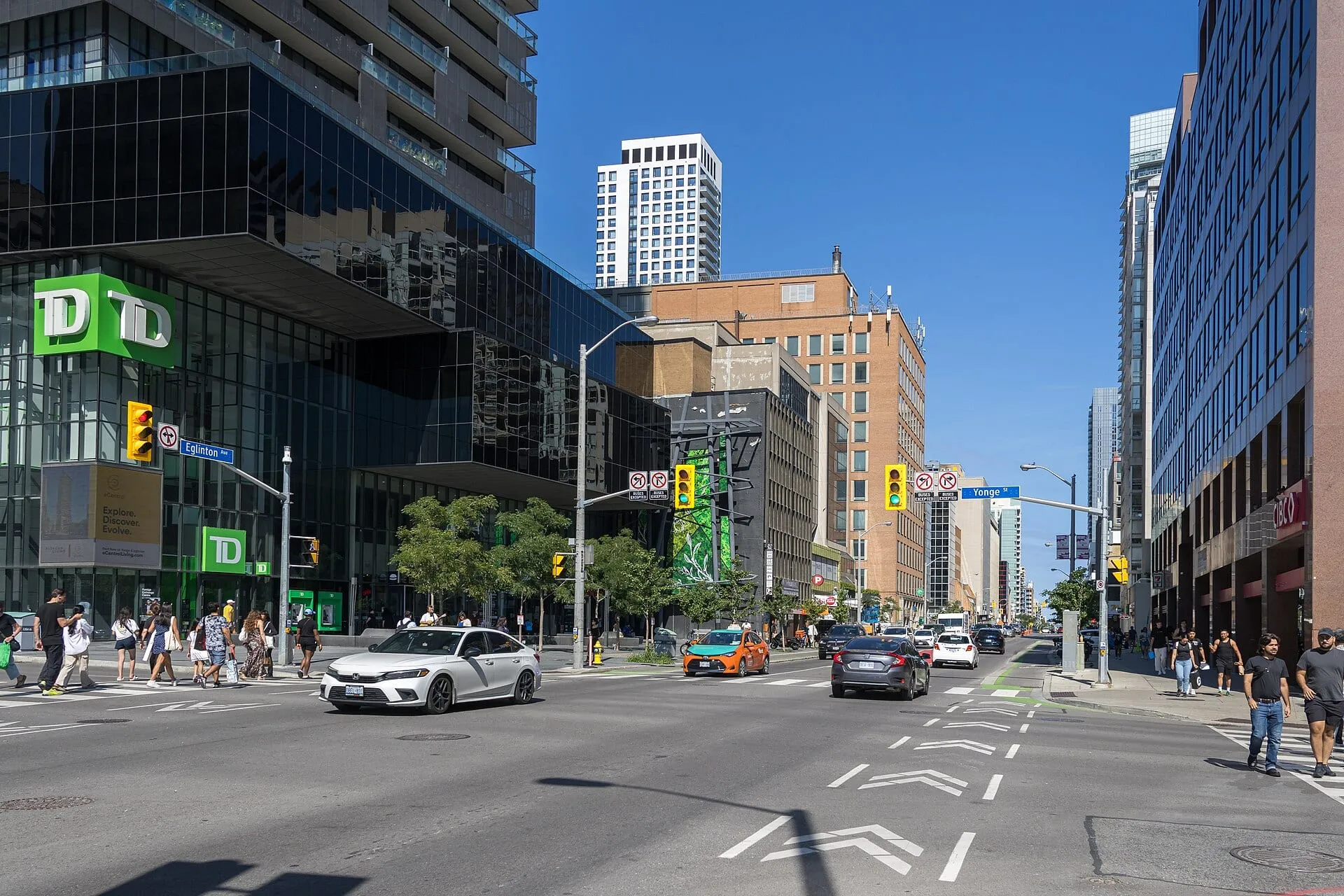 N° 03
N° 03 Yonge and Eglinton
Condo towers and side-street houses around the Line 1 and Line 5 interchange. Explore Yonge and Eglinton -
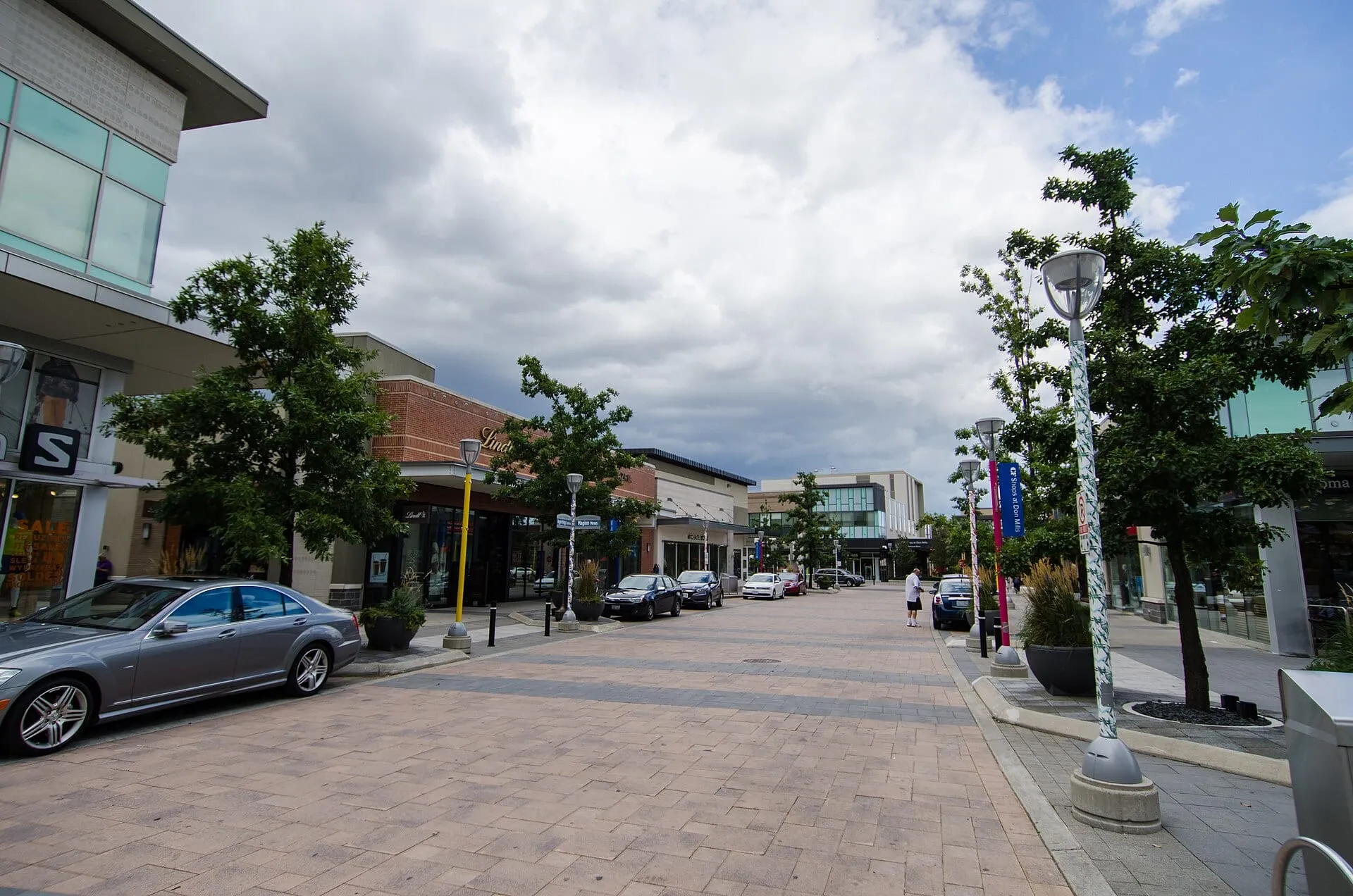 N° 04
N° 04 Don Mills
Detached houses and apartment buildings, with Line 5 at Don Mills Road. Explore Don Mills -
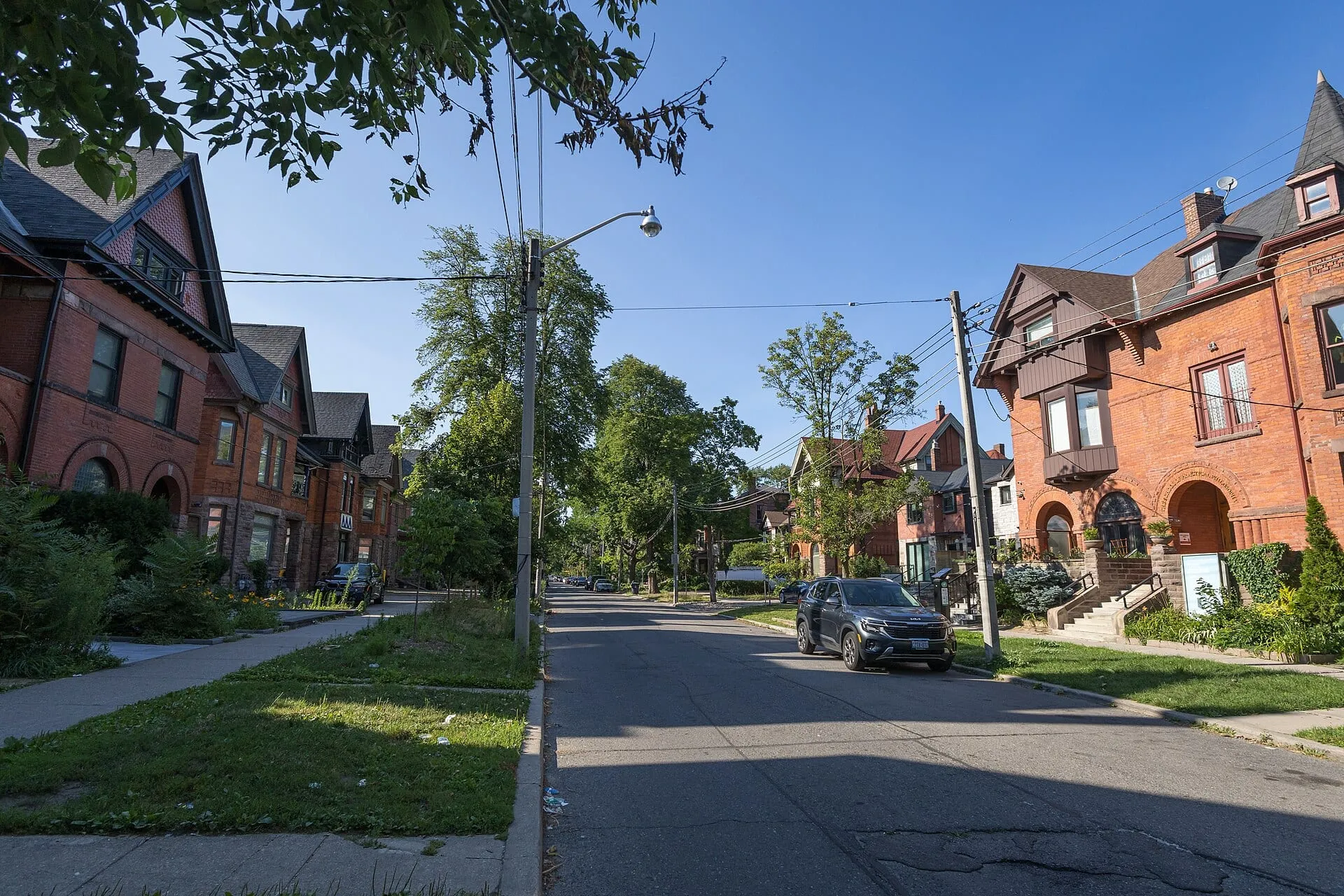 N° 05
N° 05 The Annex
Heritage houses, Bloor Street apartments and two subway lines at the door. Explore The Annex -
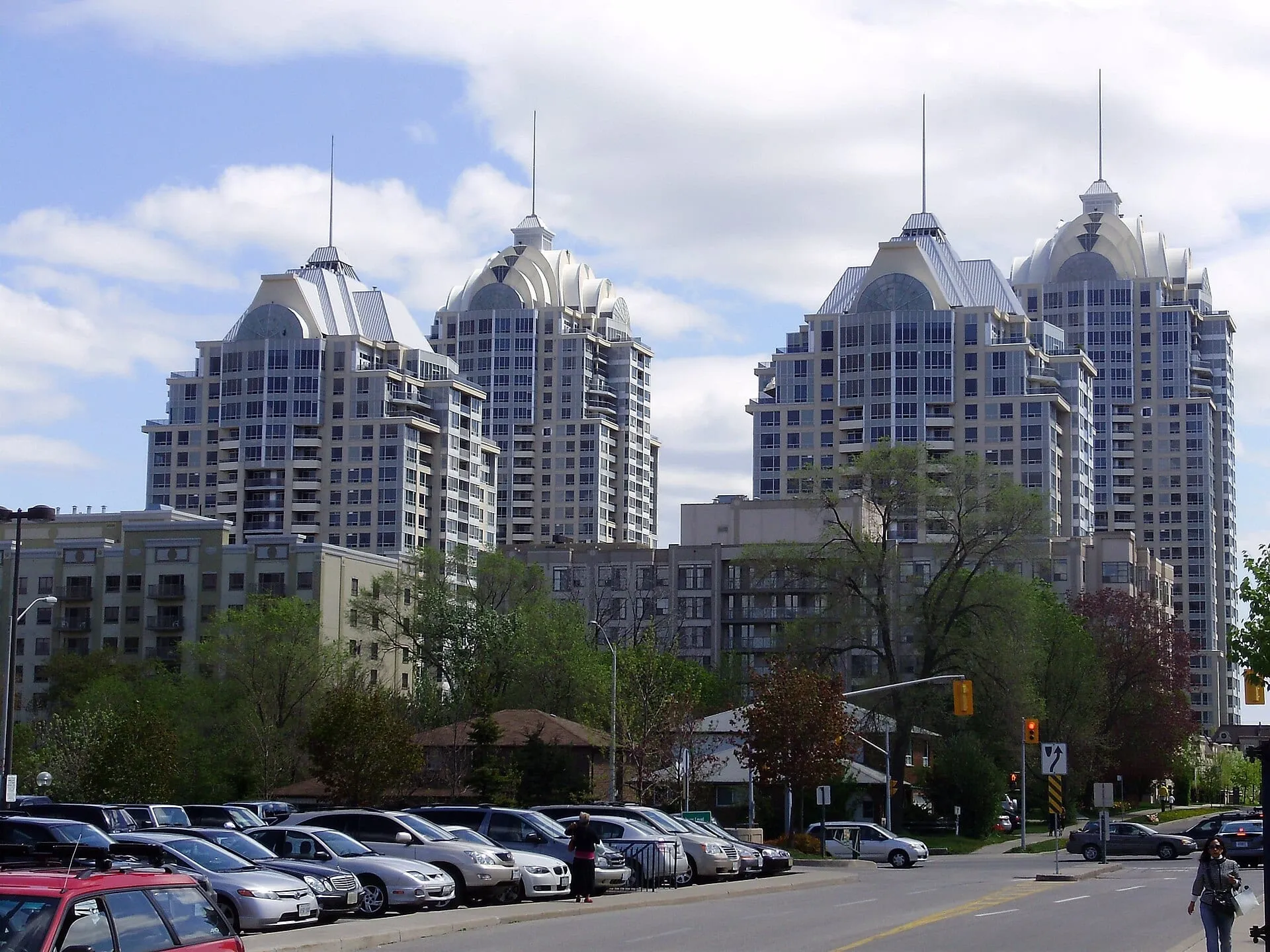 N° 06
N° 06 Bayview Village
Sheppard condos, detached side streets and three stations on Line 4. Explore Bayview Village -
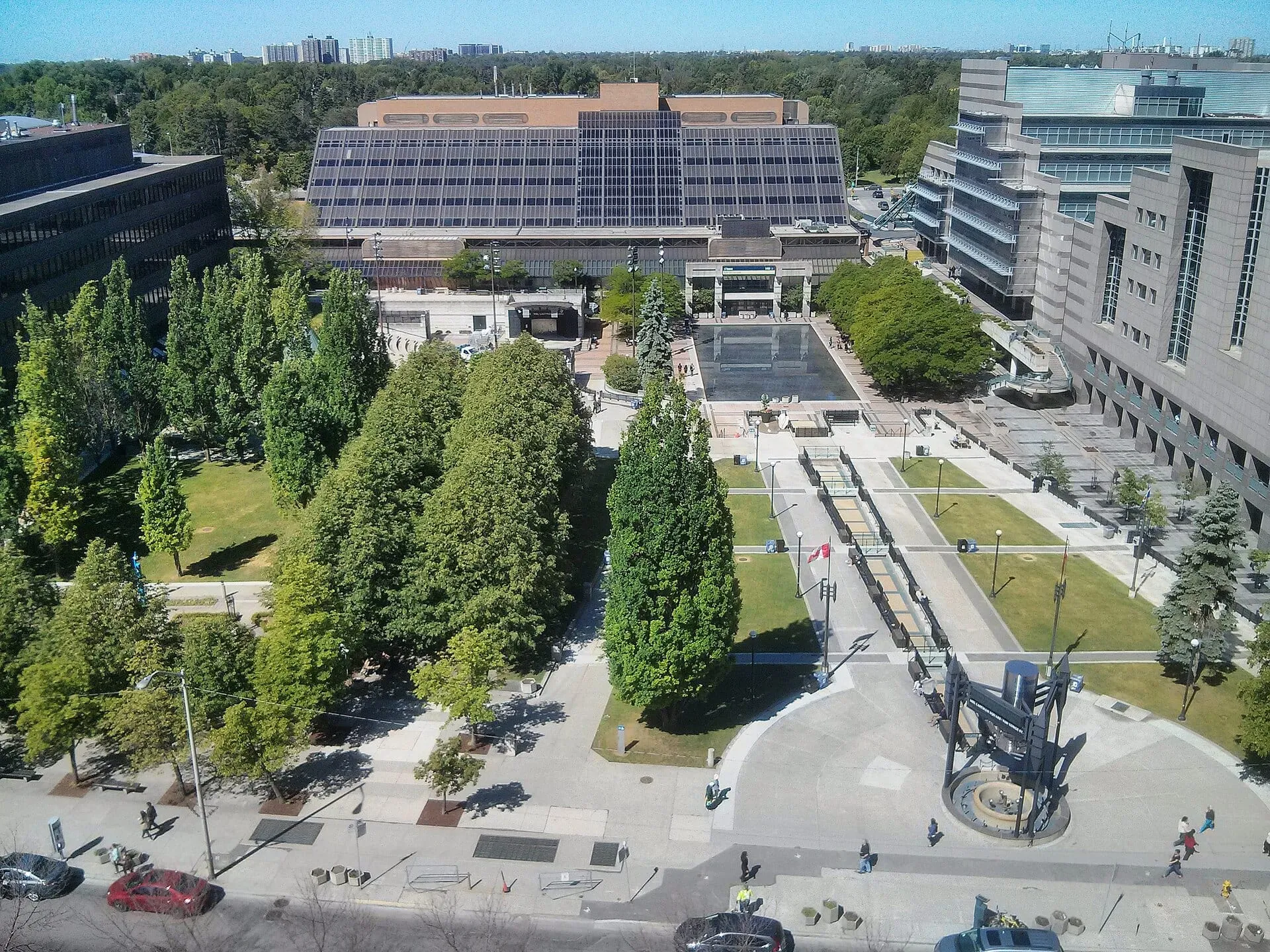 N° 07
N° 07 Willowdale
Yonge Street towers, detached side streets and three Line 1 stations. Explore Willowdale -
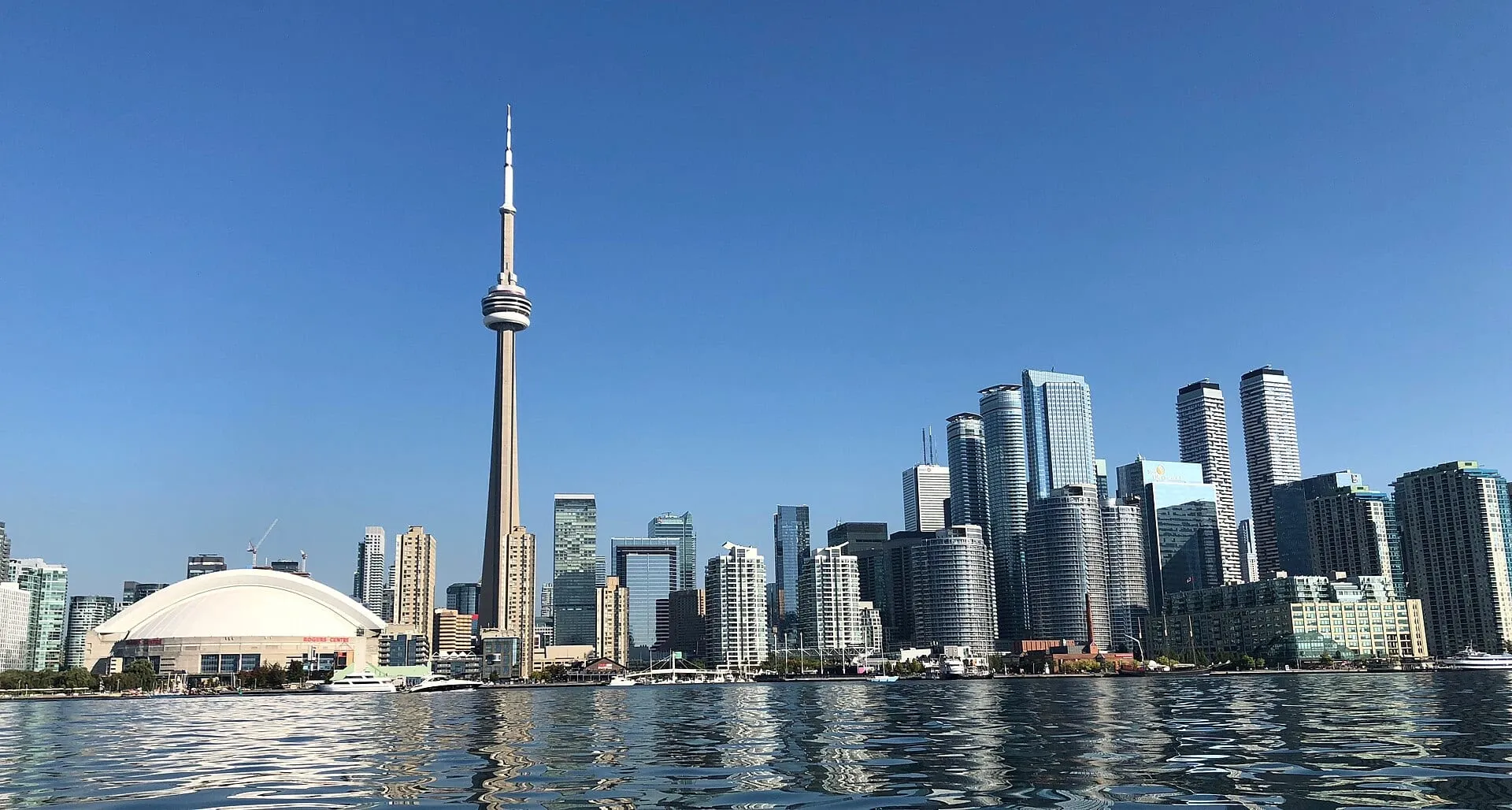 N° 08
N° 08 Downtown Waterfront
Lakefront condos, waterfront parks and Union station at the edge. Explore Downtown Waterfront -
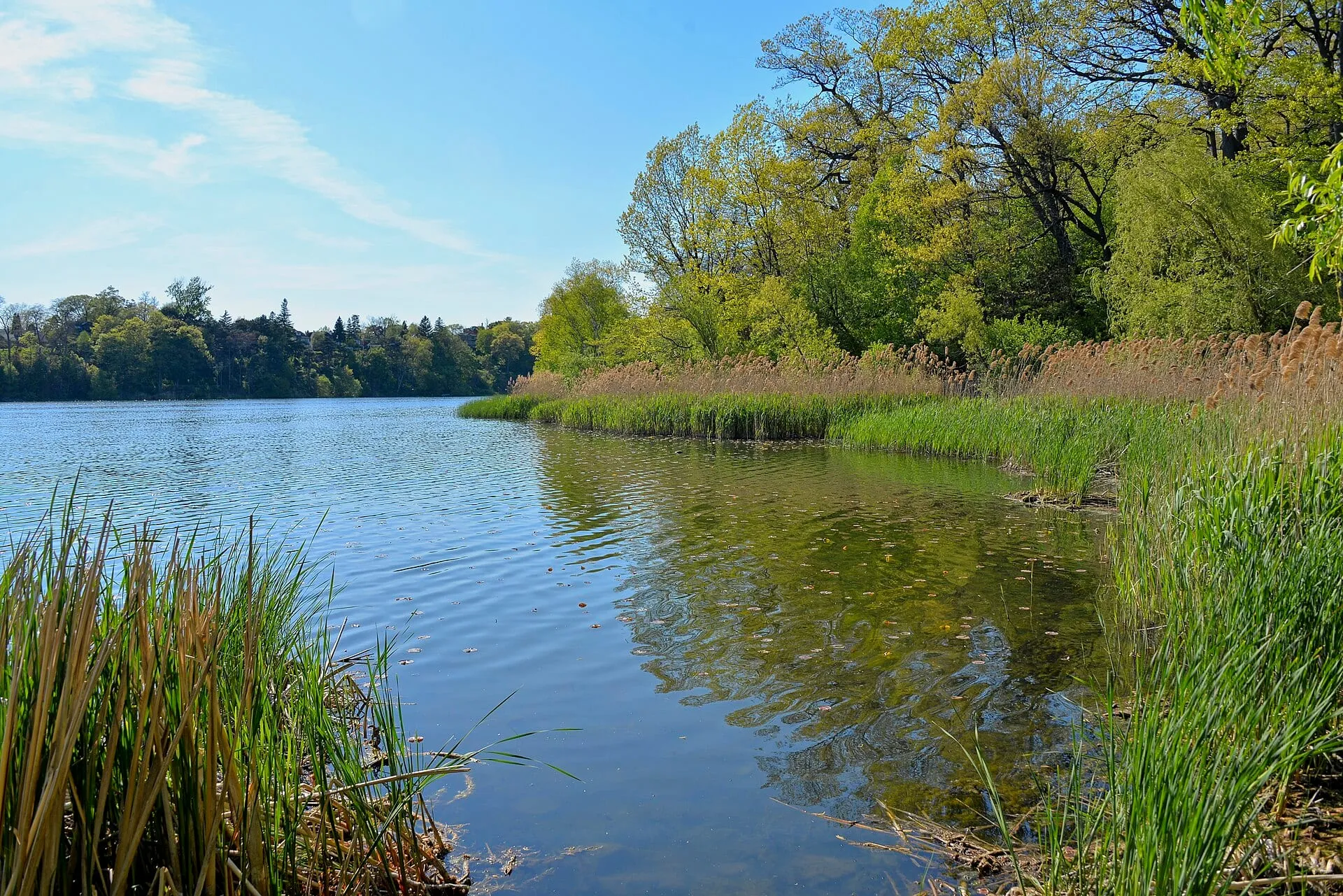 N° 09
N° 09 High Park
Detached houses and apartment towers around High Park itself, with four Line 2 stations. Explore High Park -
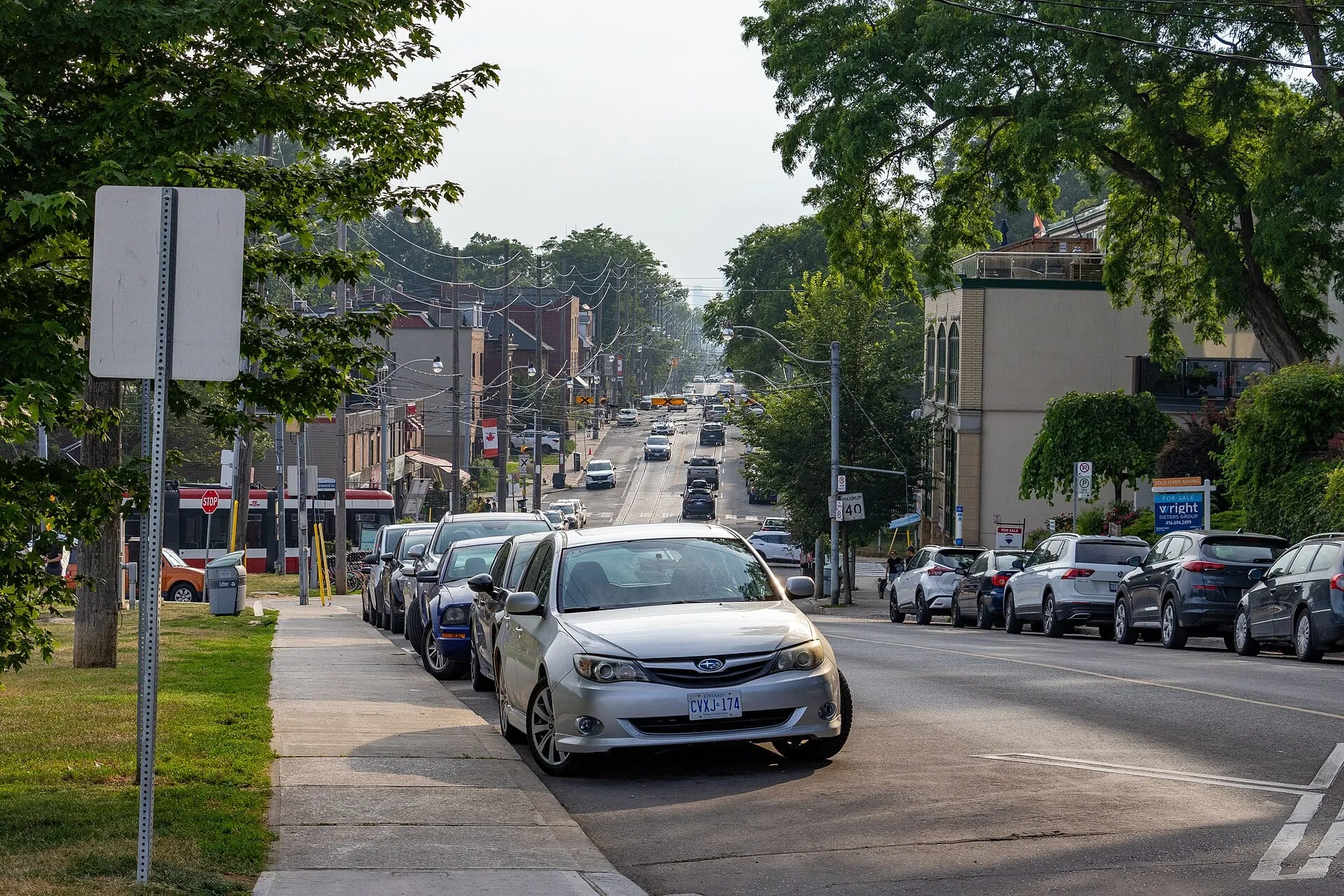 N° 10
N° 10 The Beaches
Lakefront parks, the Queen streetcar and a housing market led by houses. Explore The Beaches -
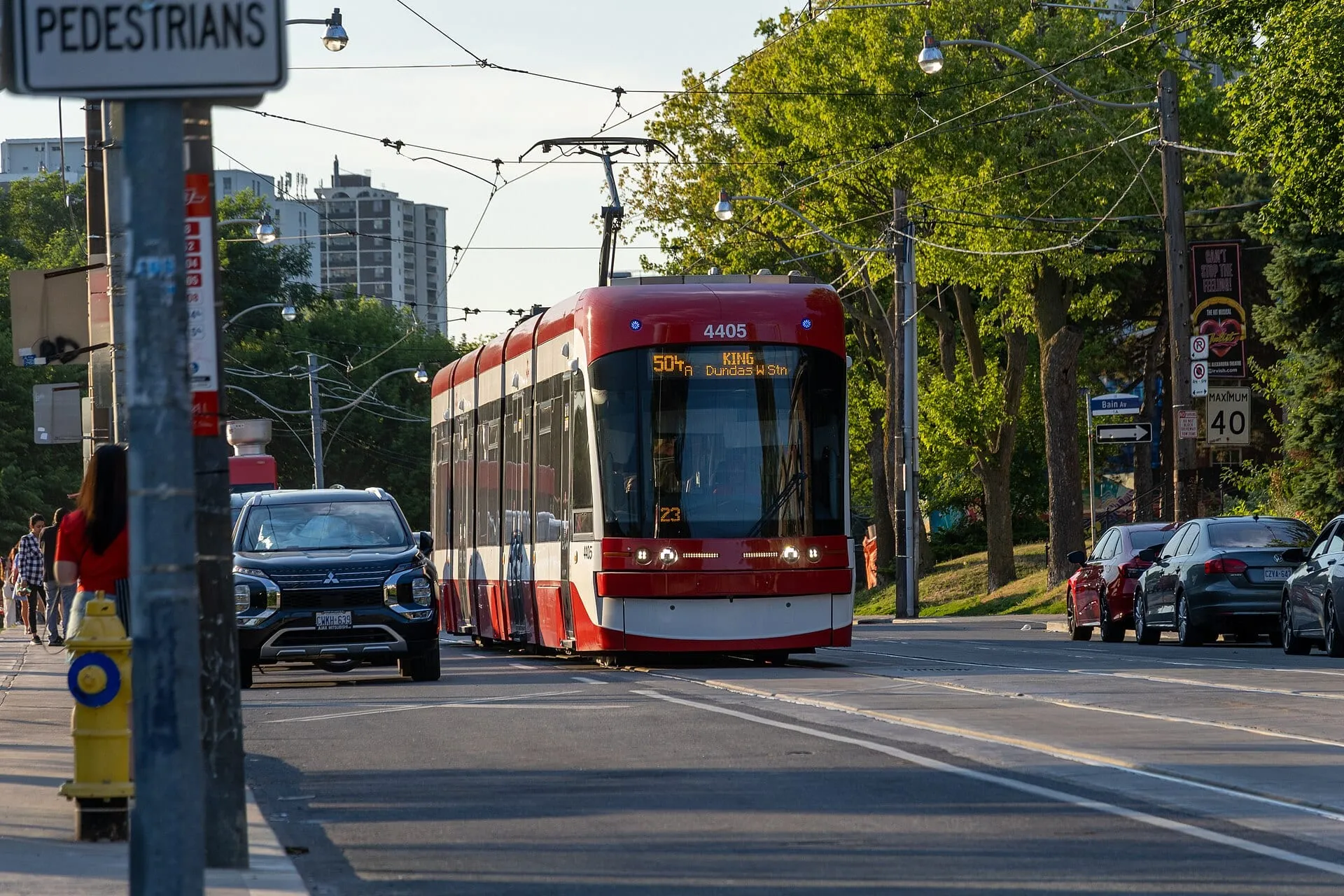 N° 11
N° 11 Riverdale
Semi-detached streets east of the Don, four Line 2 stations and four streetcars. Explore Riverdale -
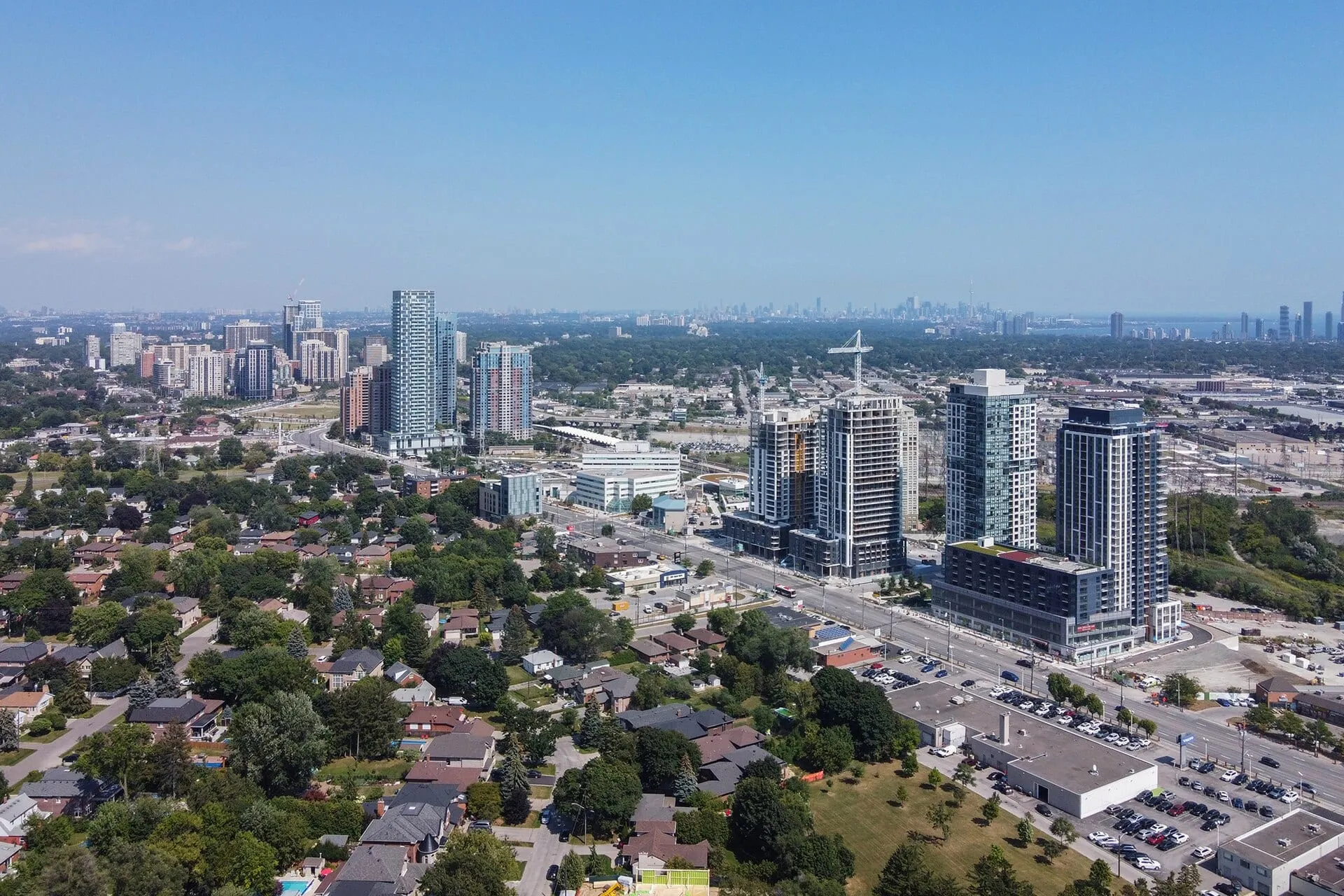 N° 12
N° 12 Islington Village
Detached streets beside a condo centre at the west end of Line 2, with Kipling GO. Explore Islington Village
Buyer questions
How is a buyer agent paid in Ontario?
It is set out in writing in a buyer representation agreement, including how much and who pays it. We go through that agreement with you clause by clause before you sign.
Do Toronto buyers really pay two land transfer taxes?
Yes. A purchase in the City of Toronto carries Ontario land transfer tax and the City's municipal land transfer tax, both paid on closing. Eligible first-time buyers can recover up to $4,000 and up to $4,475 respectively.
Should I skip the home inspection to compete?
That depends on the specific property and we will say plainly what the risk is. With older Toronto houses the risk is often real. A pre-offer inspection is one way to keep some protection.
What should I budget for besides the price?
Both land transfer taxes, legal fees, title insurance, adjustments, moving costs and early repairs or furniture. We put these in writing at the start so the budget is complete.
I am buying a condo. What should I check?
The status certificate, which includes the budget and reserve fund. Also check the monthly fee and what it covers. Your lawyer reviews the certificate before the condition period ends.
Can you help if I end up looking outside Toronto?
In Markham, Richmond Hill and the rest of the GTA, yes. Further afield, we would rather refer you to someone who knows that market than guess.
Not advice. This page is general information about how we work with buyers. It is not legal, tax, mortgage or investment advice. Speak to a lawyer, an accountant and a mortgage professional about your own circumstances.
Representation. Ask us to explain the written representation agreement and how compensation works before you sign anything.
Book a 30-minute conversation
No pitch and no pressure. Tell us the situation and we will tell you plainly whether we are the right people for it.